Tag Archive: storyteller


Muse Musings

I’ve never met my Muse.

What I mean to say is, we’ve never been for­mally intro­duced. I like to imag­ine she comes at night and kisses my dreams with her intri­cate inspi­ra­tions. Only the good dreams though, she wants noth­ing to do with the self indul­gent tripe that some­times spews through my mind whilst I sleep. But if the dream is True she’ll turn it toward a story, an impos­si­ble tale of won­der that leaves me breath­less, scrab­bling for a pen in the early morn.

My minds eye paints her, stand­ing directly behind me a del­i­cate hand rest­ing lightly on my shoul­der. She is lithe, tall beyond rea­son and her exotic eyes con­tain a uni­verse of words. I believe that is why she won’t step from behind me and intro­duce her­self. For one look into her eyes and I would surely be lost for­ever amidst worlds upon worlds of pos­si­bil­i­ties. This is a fate I would not mind one bit. I think she knows this.

I haven’t named her, feel­ing that to be a bit pre­sump­tu­ous. I’ve imag­ined what she might look like and have a sort of rec­ol­lec­tion of the cadence of her speech. Like an old mem­ory of the mur­mur of your moth­ers voice as you pressed your head to her bosom as a child. Some­times I think I can almost under­stand the words through the buzzing, thump­ing racket of life. Then I relax, put pen to paper and let it talk for her.

I don’t know why she does what she does for me. I don’t know why she does what she does to me. Wis­dom and expe­ri­ence ver­sus igno­rance and bliss, on dark days I would glee­fully choose the lat­ter. I think she knows this too, and an apolo­getic eye sheds two tears for my pain. Though this doesn’t stop her from dri­ving the Real into my mind at every turn of cir­cum­stance, with every wolf-song howl.

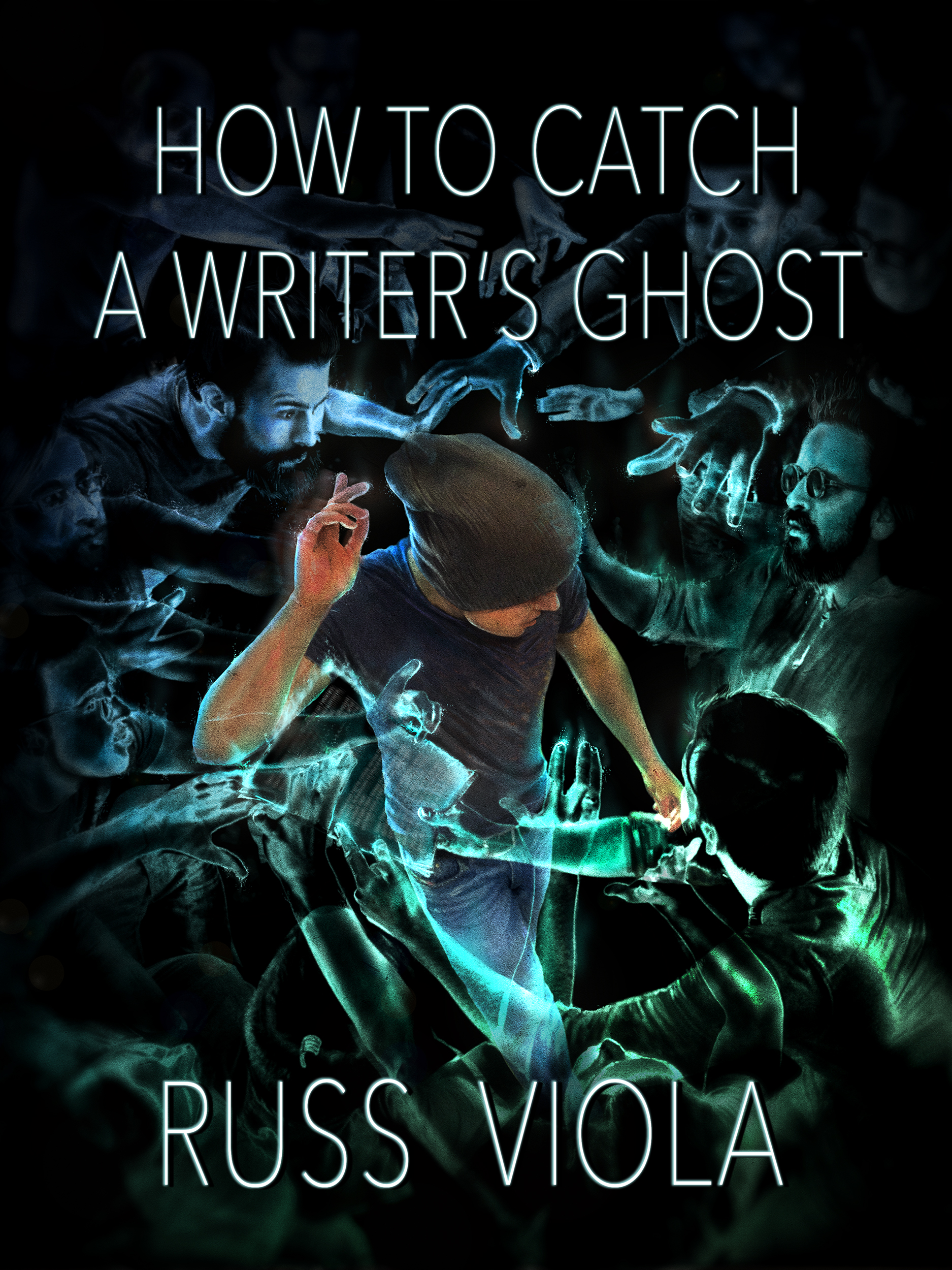
We are locked in a dance as old as time. Our par­tic­u­lar dance may be a polka or a waltz, a stilted coun­try two-step or a pas­sion­ate samba. I believe that is up to me. In other words, I am lead­ing. After all we’ve been through and all that is likely to be ahead of us, I still can’t help but won­der, “Why me?” Why do I get this bless­ing, this alba­tross of her atten­tions? The stress of her regard often unmans me.

The Spaniards Inn, Lon­don 2010

Backspace Writers Conference NYC

Back­space Writ­ers Conference

Let me begin with the most impor­tant take-away you should have from this post.

“If you’ve never been to a writer’s con­fer­ence, and you’d like to meet agents, pub­lish­ers and pub­lished authors in a stress-free ‘no-pitch’ envi­ron­ment, go to Back­space Writ­ers Conference.”

As many of you know, I’m a new writer. I’ve been a long time sto­ry­teller, but have only been putting con­sis­tent word-to-paper for about a year now. After hav­ing com­pleted my first project, “The Secret Life of Stat­ues and urban fan­tasy, com­plete at 75,000 words” I started research­ing how best to approach get­ting pub­lished.
Well, talk about drink­ing from the prover­bial fire-hose! There is so much con­fus­ing and con­tra­dic­tory infor­ma­tion out there. Every­one seems to have some opin­ion on how best to approach get­ting pub­lished, and how to become a suc­cess­ful writer. In the end, the research (which is really ongo­ing for me) did serve to do a few use­ful things.
It showed me there is no one way to get pub­lished and that get­ting pub­lished quickly wasn’t nec­es­sar­ily the holy grail. It seemed the very best thing I could do for my career was write and sur­round myself with peers who were doing the same thing.
So I started look­ing for a con­fer­ence I could attend where I could net­work and really expose my projects to peo­ple who were not friends and fam­ily. Peo­ple who wrote in my genre, or even *gasp* Lit­er­ary Agents. The catch I quickly found was that all new writ­ers want to get their work in front of a lit­er­ary agent. Other than blind sub­mis­sions and the dreaded query let­ter (more on what I learned about queries in a later post), the most com­mon way for a new writer to get in front of an agent seemed to be pitch sessions.

I’ve read about these.

I don’t think I like them.

It seems that most lit­er­ary agents don’t like them either. The Back­space Writ­ers Con­fer­ence tries to solve this by for­mat­ting their event into three days of low/no pres­sure work­shops, master-classes and pan­els. Pro-active inter­ac­tion with agents and peers is encour­aged but largely left up to the attendee.

The Agent-Author Sem­i­nar is the first day. I was treated to a cou­ple of agent pan­els on var­i­ous sub­jects, but the meat of the day was the Query let­ter work­shop and the Open­ing Pages work­shop. In these work­shops I sat with a small group of writ­ers, orga­nized by genre, and we read our work out loud to two agents who rep­re­sent our genre. They cri­tiqued each of us, and opened the floor to a short Q&A.
I had never read my work out loud. I know what you’re thinking.

Russ, if you’d really done your research, you would have found the advice about read­ing your own work out loud!”

You’re right, I did find that advice, I just didn’t lis­ten to it. And sit­ting there in New York, around a table of my fel­low writ­ers, read­ing what I’d poured my heart into for a good many months prior, was a tem­per­ing expe­ri­ence. I said tem­per­ing, because I really feel it made my work stronger. Not only did I get to hear that my project wasn’t ready for prime time yet, but I got to hear why it wasn’t ready. I was able to receive direct cri­tiques from pro­fes­sional agents and peers in my genre, and I’ll be able to sub­mit to them later, when I feel I’m done with my pol­ish­ing.
Through­out the day, the events were spaced apart with inter­vals for social­iz­ing with other writ­ers and meet­ing the agents more directly. This was easy to take advan­tage of. The agents were approach­able and easy to talk to. They wanted to be there. They wanted to help writer’s under­stand what mis­takes to avoid.
I par­tic­u­larly liked the open and direct view into the ‘life of a lit­er­ary agent’ that this con­fer­ence afforded me. The agents in atten­dance get my stand­ing ova­tion for being plain-spoken and hon­est. For their blunt forth­right­ness about what they go through to make their clients successful.

The next two days were a series of Mas­ter Classes and Pan­els, teach­ing or speak­ing on var­i­ous top­ics from ‘Writ­ing the per­fect query let­ter pitch for your novel’ with Kristin Nel­son, to ‘Writ­ing the Break­out Novel’ with Don­ald Maass. As well as ‘You, too, can plot. Really.’ with Gayle Lynds, all of which I attended.
I’ve spent a lot of time in a tech­ni­cal field, and I’ve lis­tened to many pre­sen­ta­tions. Some were given by pas­sion­ate pro­fes­sion­als who loved their work and had got­ten to a point where they wanted to pass a bit of their knowl­edge on. Some were given by bor­ing mon­keys who didn’t want to be there and were just mark­ing time. Please trust me when I tell you that these peo­ple were all com­prised of the for­mer. Mrs. Nel­son, Mrs. Lynds and Mr. Maass were infor­ma­tive and inspir­ing. I took away fac­toids and infor­ma­tion points that I could eas­ily have spent the next year or three fer­ret­ing out of the trash on the inter­net.
That alone was worth the price of admis­sion. To get your work in front of lit­er­ary agents and peers in your indus­try is invalu­able. I also infor­mally pitched an agent and got to sub­mit my first par­tial. So to round out an already way-to-long bun­dle of scrib­bling, please refer to the sec­ond sen­tence of this post.
If you have any ques­tions, please com­ment here or email me. I’d be happy to give you more spe­cific infor­ma­tion.
Warmly,
Russ

Follow Friday…on Sunday.

Well, bet­ter late than never is what I always say! These are some cool bib­lio­phile blogs you may want to take a gan­der at.

Mourning Morning

Tales told twice,
Ten­der trance torn,
Lonely love loose,
Bro­ken Unborn.

Writing at the edge of magic.

So I’m a writer. Yep, I write! That’s what I’ve been doing for the bet­ter part of a year now.
Let me qual­ify the pre­vi­ous state­ment. Most of my life, I’ve been a sto­ry­teller. Only recently have fate, cir­cum­stances and a won­der­fully beau­ti­ful woman con­spired to enable me to write, as opposed to merely yak with small­ish groups. Now my camp­fire tales, my epic sagas, my woven tapes­tries of heroic strug­gles between good and evil, are indeli­bly etched into/onto some medium. This is both good and bad in my opinion.

There was a sloppy, vaude­ville charm to the Sto­ry­teller. He’d enter stage right, all top-hat and swirling long-coat, mut­ter­ing incan­ta­tions and ges­tic­u­lat­ing mani­a­cally. An arched eye­brow and omi­nous tone were all it took to carry the day. That and an extro­verted charisma the size of Texas. The Telling fed the Sto­ry­teller. The par­tic­i­pa­tion from those he told, drove the Story on to new heights. This birthing of a group idea, bound those par­tic­i­pants in a unique way. Those Sto­ries held a cer­tain fla­vor that was both imme­di­ate and tem­po­rary. They burst on your tongue, sharply and strongly. Like smoke, when the tale was done there was noth­ing left but the echo of the mem­ory of it, in the Teller as well as in the Told. Even a tale told twice, was never quite the same. Like an expe­ri­ence cap­tured by the mind, a tale would morph and bend in the par­tic­u­lar look­ing glass that was the wit­ness. The Sto­ry­teller co-creates.

The Writer gives an air of per­ma­nent time­less­ness to the tale. Words strung into phrases, sen­tences, para­graphs then ulti­mately man­u­scripts, form a solid cage of struc­ture. The Story flows, grows and unfolds within this frame­work. Once writ, it can be edited or bled of all orig­i­nal­ity. It can be refined or per­fected for opti­mal niche-market con­sump­tion. The Writer exchanges the Story’s poten­tial meme-like growth in the minds of human­ity for sta­tic immor­tal­ity. While the Story’s con­tin­ued exis­tence in some form is assured, there is no guar­an­tee of par­tic­i­pa­tion from the Told. They do not ‘feed’ the Writer, with their gasps of wide-eyed won­der dur­ing the Telling. The Writer does not know if the Told will become Tellers. The Writer does not know if the Told will even remem­ber his telling. The Writer writes.

Just writ­ing that last para­graph depressed me. Let me be clear. I can see the obvi­ous pros of writ­ing. I might not have Tolkien’s world, cer­tainly not the way it was writ­ten. I might be denied the pow­er­ful and thought pro­vok­ing words of Jack Ker­ouac, J.D. Salinger or any num­ber of won­der­ful Sto­ry­tellers and poets who lived before my time. Isn’t writ­ing and the abil­ity to leave behind some sort of cul­ture a mea­sure of a society’s sophis­ti­ca­tion? I rec­og­nize all of this and will­ingly admit that I may be in love with the ‘romance’ of sto­ry­telling. I’m afraid that in this year of scrib­bling, the writer’s alba­tross of soli­tude has hung heav­ily ’round my neck.

I leave you with this ques­tion and invite any responses:

Can a Writer really be a Sto­ry­teller?

Powered by WordPress. Motion them by 85ideas. Theme customization & background photo by Carl Lindberg.